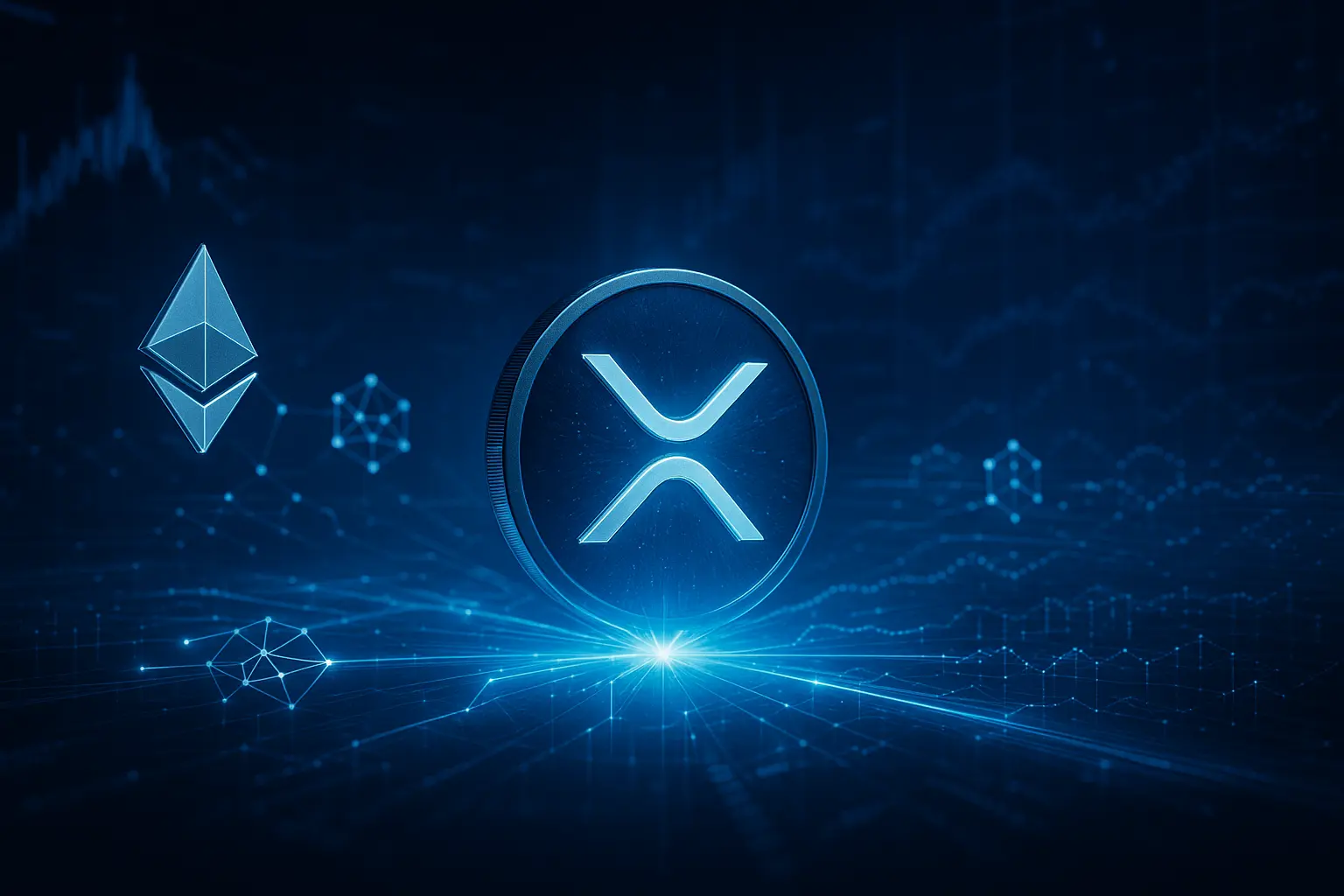
The trend of interoperability is accelerating in the crypto world, and XRP’s reach is no longer limited to its native ledger. When a major asset like XRP becomes available for use on Ethereum, Solana, and other blockchain platforms, the impact extends beyond just the technical level, affecting utility, liquidity, and developer adoption. This shift brings several benefits to the Ripple ecosystem—along with some new risks.
What does this mean and why does it matter?
The availability of XRP on multiple chains signifies two things: firstly, that users can now directly utilize XRP in DeFi, NFT, and smart-contract applications across different networks; and secondly, that XRP’s liquidity increases in an interconnected market. On platforms like Ethereum, wrapped or bridged versions of XRP can be integrated into DeFi pools, lending platforms, and liquidity protocols. On faster and cheaper networks like Solana, it can facilitate micro-payments and faster transactions.
Here are some of the key impacts that users and investors will want to understand:
- Increased Utility: XRP will no longer be limited to just a payment chain; it will also be usable in DeFi, trading, and smart contract contexts.
- Enhanced Liquidity: Listing on multiple networks can increase the available supply on exchanges and in liquidity pools, potentially leading to tighter spreads and easier trading.
- Developer Adoption: The more platforms the asset is available on, the more developers can integrate it into their applications—further expanding both the Ripple community and the platform’s utility.
- Cross-Chain Economy: This move also signals a step towards blockchain interoperability—assets will no longer be confined to a single, closed ecosystem.
Risks and Limitations (Clear and Honest)
Every new opportunity comes with risks, and XRP’s multi-chain expansion is no exception. Technical risks in bridging and wrapped assets—such as smart-contract bugs or bridge vulnerabilities—are a real concern. Additionally, price volatility and complexities in circulation across networks can pose challenges for investors. The regulatory landscape is also crucial to consider—especially when thinking about utility and legal implications for a US audience. Overall, opportunities exist, but caution is necessary.
What does this mean from a practical perspective for investors and users?
If you are an XRP holder or interested in the Ripple ecosystem, multi-chain availability could mean: more use cases, access to new DeFi products, and potentially improved liquidity. However, it also means you should proceed with caution, understanding things like bridges, wrapped tokens, and different network fees/latency. Risk management and proper research are essential—it’s advisable to check technical audits, TVL (total value locked), and community reputation before committing funds to any new bridge or pool.
Conclusion—Is this a win for Ripple?
Overall, XRP’s expansion to Solana, Ethereum, and other platforms is a positive development for both the Ripple community and the broader crypto ecosystem. This move could position XRP beyond just a payment token, establishing it as a cross-chain asset. Yes, challenges exist—bridge security, regulation, and network-specific risks—but if approached with due diligence and technical scrutiny, it could strengthen Ripple’s long-term vision.
If you are an American reader considering this news, the advice is: do your research, read the audit reports of the bridge/pool you are using, and experiment with small amounts to gain experience. This way, you can take advantage of new opportunities while avoiding unnecessary risks.