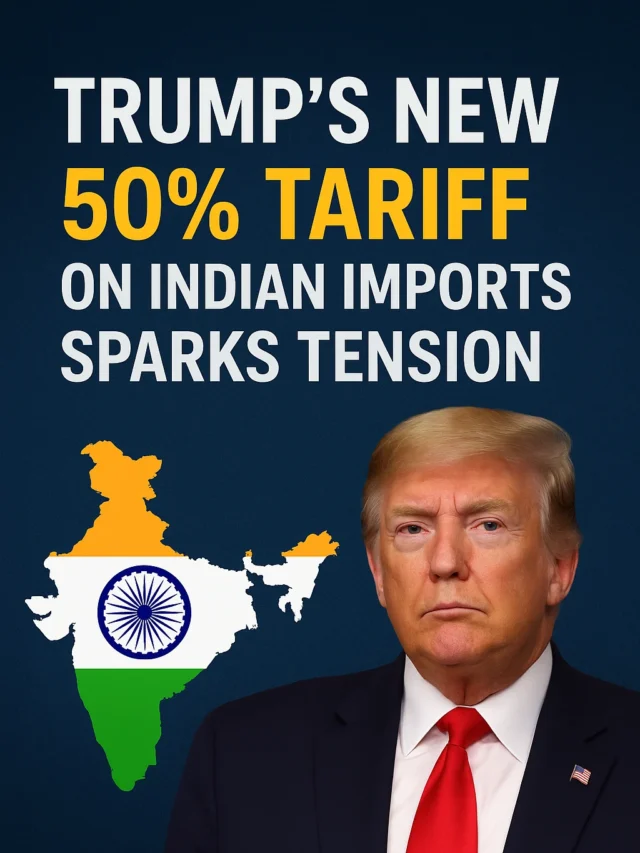
India recorded its fastest growth in recent quarters—and this growth came despite global trade pressures. India’s economy grew 8.2% year-on-year in the July–September quarter (Q2 FY26)—the highest in the last six quarters. This figure also clearly beats market expectations.
What Drove India’s Strong GDP Growth
To summarize: Strong domestic demand, coupled with festive preparations and a quick pick-up in construction activity, drove growth. Private consumption and manufacturing output accelerated—especially manufacturing, which grew 9.1%, reflecting both supply-side and manufacturing stock-fronting growth. These figures also beat projected potential.
Why is this important? Many economies today are affected by slowing global demand, rising tariffs, and trade uncertainty. However, India registered growth despite these external pressures—meaning that economic momentum somewhat outweighed trade pressures. There are several clear reasons for this: strength in domestic securities and spending, the government’s capital expenditure policies, and production setup ahead of the festive season.
Speaking of trade headwinds—some US tariff decisions and global supply-chain shocks—over the past few months. Companies tended to ship goods before the tariffs took effect, leading to a temporary boost in the quarter’s figures. However, it’s also clear that India’s domestic consumption played a key role in offsetting this external shock.
Is this a “clean” victory? Not entirely. Some risks remain—the trajectory of inflation, the oil price surge, and long-term export demand pressures. International institutions (IMF) and rating agencies offer cautiously balanced forecasts for the future; yet they are signaling positive signs about India’s strength and the direction of reforms. This is why the Q2 results appear to send several signals, not just politically but also from an investor perspective.
This news is significant from an inflation and monetary policy perspective. Despite strong nominal growth, prices remained contained, which will influence Reserve Bank decisions—the balance between rate cut opportunities and inflation control will tell the story going forward. This balance has also contributed to beating trade pressures in the short term.
This is useful for both the general reader and US investors: the impact on jobs, investment opportunities, and shifts in global supply chains are clear. If you’re looking at the Indian market from the US, this Q2 data suggests that India’s domestic demand and manufacturing growth can act as a cushion even when foreign demand weakens—meaning India has formally weathered some external pressures.
What investors and traders should watch: Inflation trends, RBI signals, export data, and global oil prices. If these signals are favorable, this momentum could continue into the next quarter, which is why Q2 performance beat many estimates. Additionally, government policies (PLI, tax cuts, infrastructure spending) could attract rapid investment.
India Q2 GDP – Final Takeaways
In conclusion: Q2’s 8.2% growth figure isn’t just a number—it’s a sign that India largely weathered, or at least insulated itself from, global trade pressures, posting its fastest growth in six quarters. This is also important for US reader-investors because it suggests that India’s economy now possesses domestically-driven strength that can withstand external shocks.
AI bubble fears and Fed uncertainty rattle Wall Street, sending stocks tumbling.