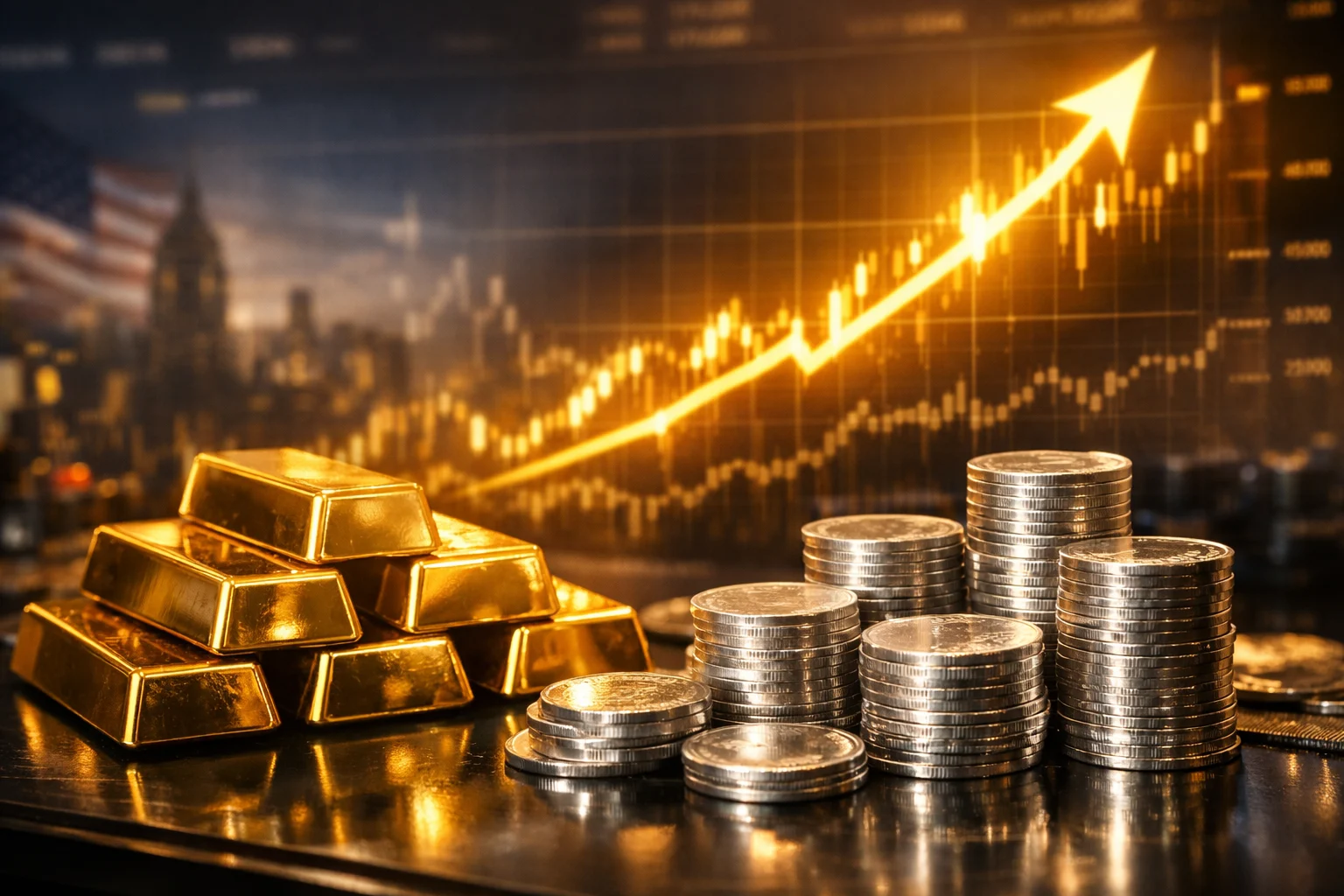
The sharp rise in gold and silver prices in recent days has captured investors’ attention, and many are constantly checking the gold price today. This isn’t just a rise in prices—it also means increased market volatility and uncertainty, leading investors to turn to safer options.
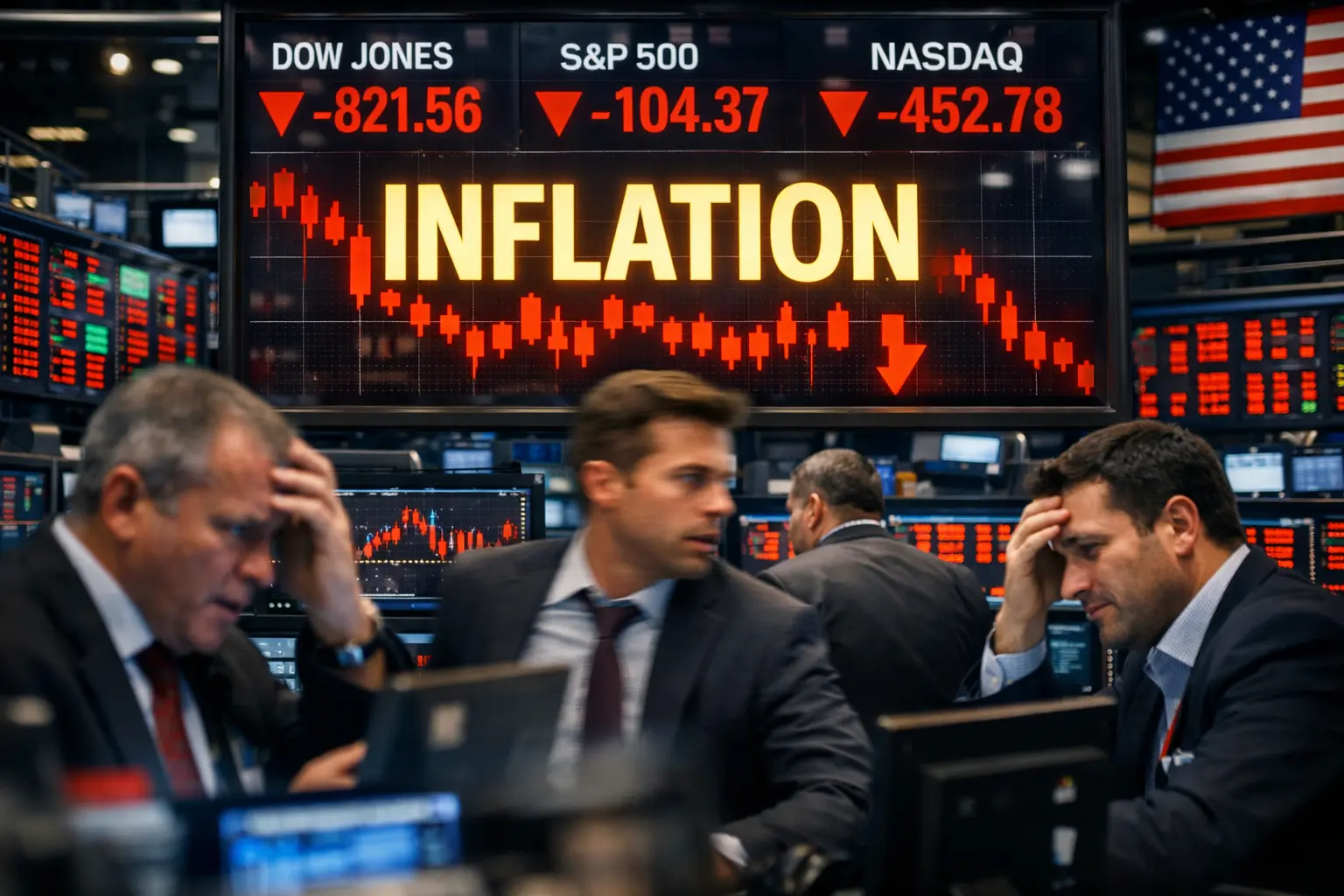
There are several compelling reasons behind the market rally. Inflation concerns, global political tensions, and fluctuations in the US dollar often drive demand for gold. Gold prices tend to rise as people seek safe havens. Furthermore, the Federal Reserve’s monetary policies, changes in bond yields, and fears of a global economic slowdown also significantly impact gold prices, making it important to monitor the gold price.
Gold has long been considered a reliable hedge. Gold is in limited supply and has shown the ability to maintain its real value during times of inflation. Therefore, investors adjust their portfolios according to the trend of the gold price today through gold ETFs, physical bullion, or other gold-related instruments. Bank purchases and the entry of large investors also often push the gold price today higher.
Silver prices are also rising in tandem. Silver is not only important for investment, but also for industry—electronics, solar panels, and industrial uses maintain demand for the price of silver today and the silver price today. As a result, the silver spot price and silver prices today fluctuate and are often correlated with gold. Investors often study trends in both metals from sources like Kitco and market data to make better decisions.
What signals to look for: If you’re tracking the price of gold today or the gold price today, the dollar index, US 10-year bond yields, and central bank announcements are key indicators. Additionally, ETF inflows/outflows, mine production reports, and refinery supply information also influence prices. Sometimes, even minor technical levels (such as support/resistance) can be crucial in trading.
Practical advice for investors: Those tracking gold prices today should diversify their portfolios—don’t rely solely on gold. For long-term investors, periodic purchases (rupee/dollar cost averaging) reduce risk. Short-term traders should pay close attention to market volatility and news events. If you also want to invest in silver, consider its industrial demand and supply, as silver prices can sometimes be more resilient than gold.
If you plan to actively buy or sell, it’s essential to understand the risk-reward relationship between physical bullion, gold ETFs, mining stocks, and other options. Investors who regularly monitor gold prices today should understand the fundamentals behind the price movement to avoid emotional decisions.
Conclusion—Rising gold and silver prices indicate market uncertainty, and many investors are returning to safe havens. This information will help you understand market behavior, but remember that this article is for general information only—it is not financial advice. Consult a certified financial advisor before making any investment decisions.