Key Points
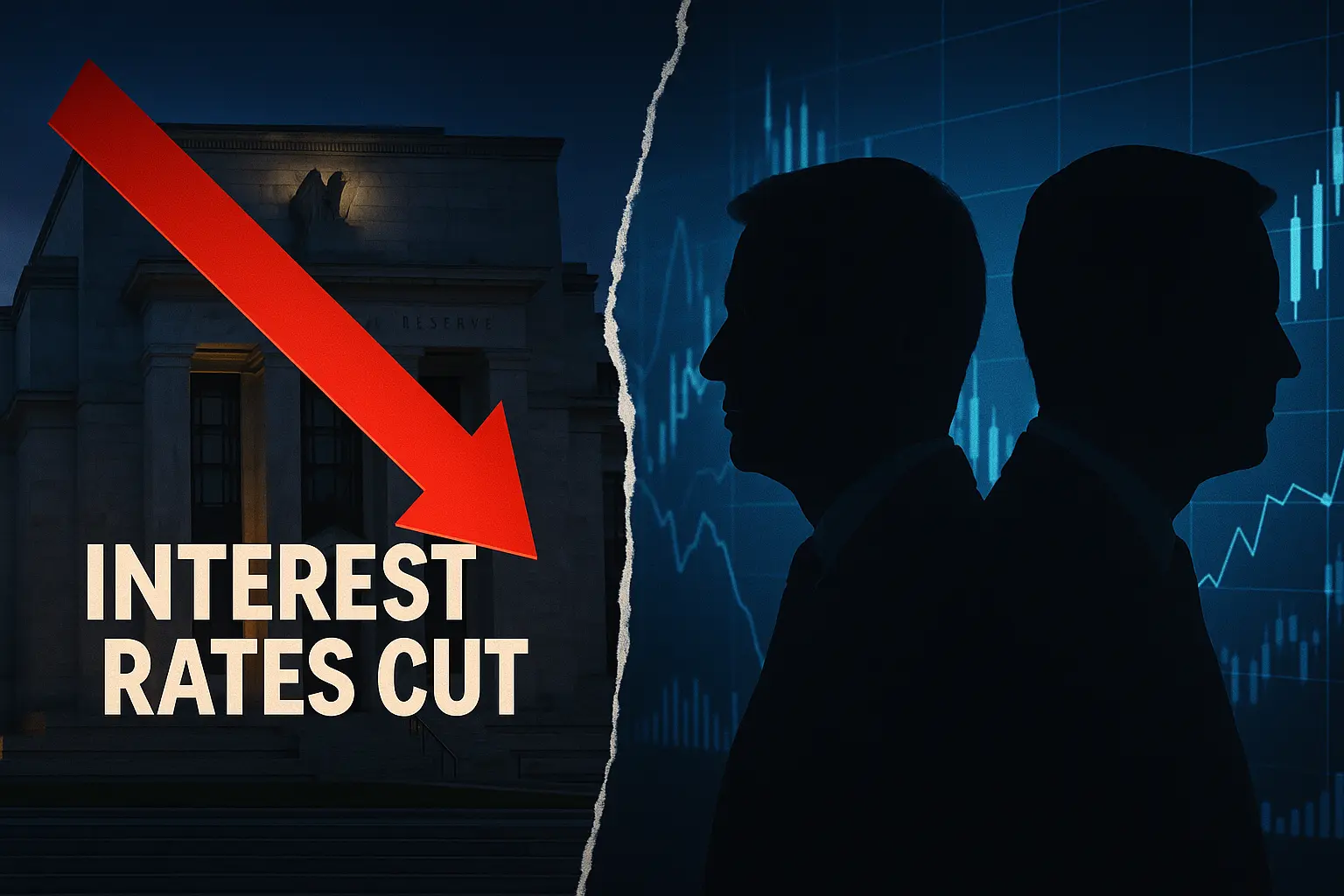
- The Federal Reserve cut interest rates by a quarter point in a rare 9-3 split, revealing deep divisions over what should come next.
- The Fed’s “dot plot” now shows just one rate cut in 2026 and one in 2027, with wide disagreement among policymakers.
- Alongside the cut, the Fed announced it will restart Treasury purchases, beginning with $40 billion in T-bills on Friday.
The Federal Reserve delivered a widely expected “hawkish cut” on Wednesday, lowering its benchmark interest rate by a quarter percentage point—but the move also exposed a surprisingly sharp divide inside the central bank.
The Federal Open Market Committee (FOMC) voted 9-3 to trim the federal funds rate to a range of 3.5% to 3.75%, the latest step in its effort to manage slowing inflation without derailing the economy. But the three dissenting votes—something not seen since 2019—signaled a tougher road ahead for anyone expecting fast or frequent cuts.
A Split Fed Sends Mixed Signals
The dissents came from both sides:
- Governor Stephen Miran, who wanted a bigger half-point cut, and
- Kansas City Fed President Jeffrey Schmid and Chicago Fed President Austan Goolsbee who preferred no cut at all.
Miran’s opposition marks his third straight “no” vote before he leaves the Fed in January. Schmid has now dissented twice in a row. The split highlights growing tension between Fed “hawks,” who remain focused on inflation, and “doves,” who want to support the labor market and broader economy.
The Fed’s official statement reused language last seen in December 2024—a signal back then that cuts were likely on pause. That wording proved accurate: the Fed didn’t cut again until September 2025.
Powell: “We’re Well Positioned to Wait and See”
At his press conference, Fed Chair Jerome Powell suggested the central bank is comfortable slowing down.
“We are well-positioned to wait and see how the economy evolves,” he said.
Markets took the remarks in stride.
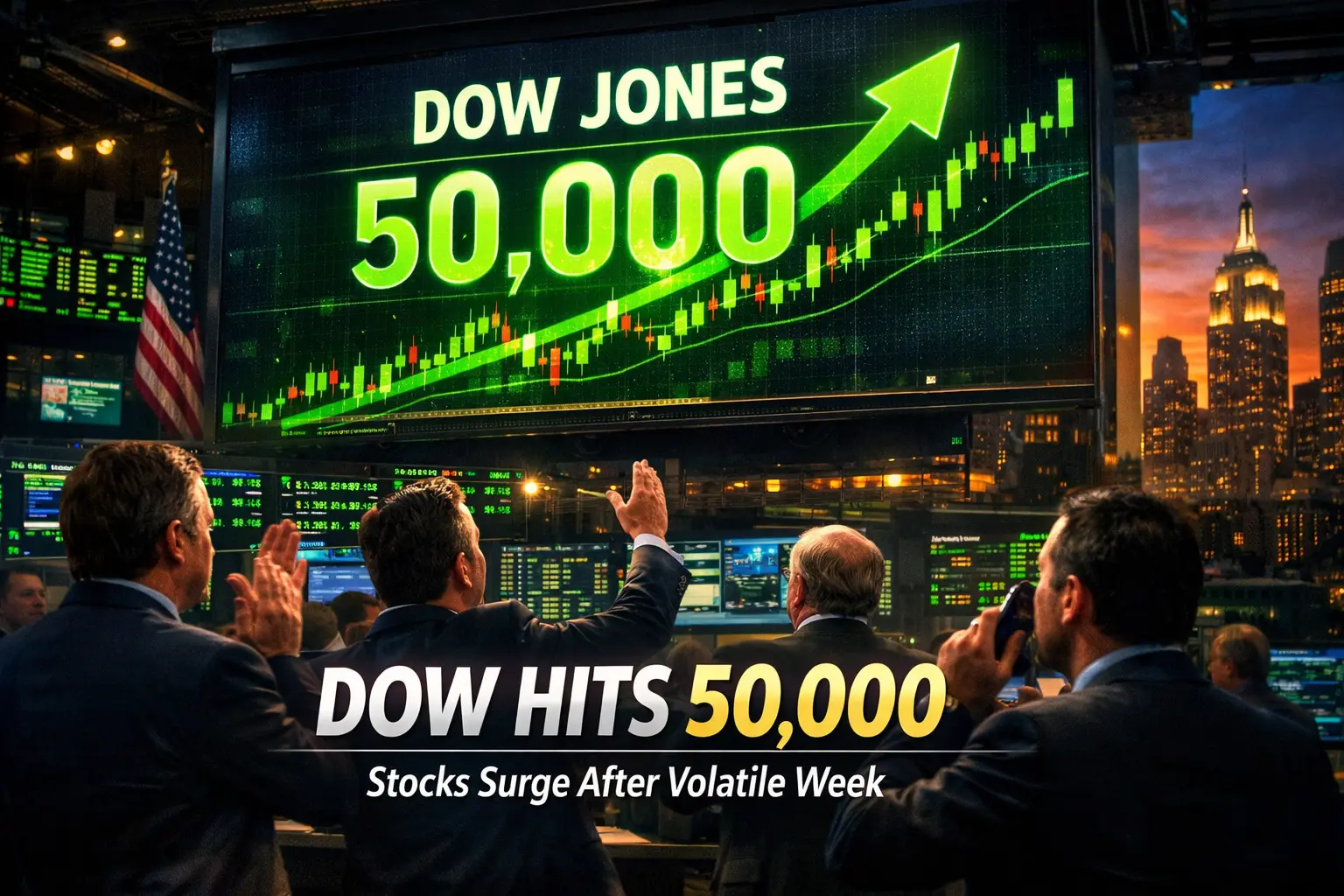
- The Dow jumped 500 points,
- Treasury yields slipped, reflecting expectations for slower tightening ahead.
Powell emphasized that the Fed hasn’t decided what to do in January: “We think we’re well positioned to wait and see how the economy performs.”
The Road Ahead: Just Two More Cuts in the Next Two Years?
The Fed’s closely watched “dot plot”—a chart showing each official’s rate expectations—projected:
- One cut in 2026,
- One more in 2027,
before stabilizing near a longer-run rate close to 3%.
Those numbers haven’t changed since September, but the internal disagreement has grown.
- Seven officials think there should be no rate cuts at all next year.
- Several nonvoting officials also expressed “soft dissents,” meaning they disagreed but didn’t hold a vote.
Powell downplayed the tensions:
“These discussions are as thoughtful and respectful as any I’ve seen in 14 years,” he said.
Updated Economic Outlook
The Fed now expects:
- GDP growth of 2.3% in 2026, half a point higher than previously projected.
- Inflation to stay above 2% through 2028, reflecting ongoing price pressures.
The Fed’s preferred inflation gauge shows prices rising at 2.8% annually—down sharply from pandemic-era peaks but still above target.
Fed to Restart Treasury Purchases: $40 Billion This Week
In a notable side move, the Fed said it will resume buying Treasury securities, pausing its balance sheet runoff due to concerns about tightening conditions in short-term funding markets.
- Purchases start Friday, beginning with $40 billion in T-bills.
- The Fed expects buying to stay “elevated for a few months,” then taper.
Powell’s Final Months and Political Pressure
Powell’s term as Fed Chair is nearing its end, giving him only three more meetings before President Donald Trump names a successor.
Trump has repeatedly said he wants someone who favors lower interest rates, not necessarily someone focused on the Fed’s traditional dual mandate. Prediction markets currently show Kevin Hassett, Director of the National Economic Council, as the frontrunner with 72% odds, far ahead of former Fed Governor Kevin Warsh and current Governor Christopher Waller.
Fed Flying Partially Blind After Data Delays
The Fed has been making decisions with unusually limited data. A six-week government shutdown that ended Nov. 12 slowed or halted many of the reports policymakers rely on.
The data they do have paints a picture of a low-hire, low-fire labor market. Employers aren’t aggressively adding jobs—but they’re not laying off large numbers either.
Still, private data hints that layoffs may accelerate: announced job cuts through November have topped 1.1 million, according to Challenger, Gray & Christmas.