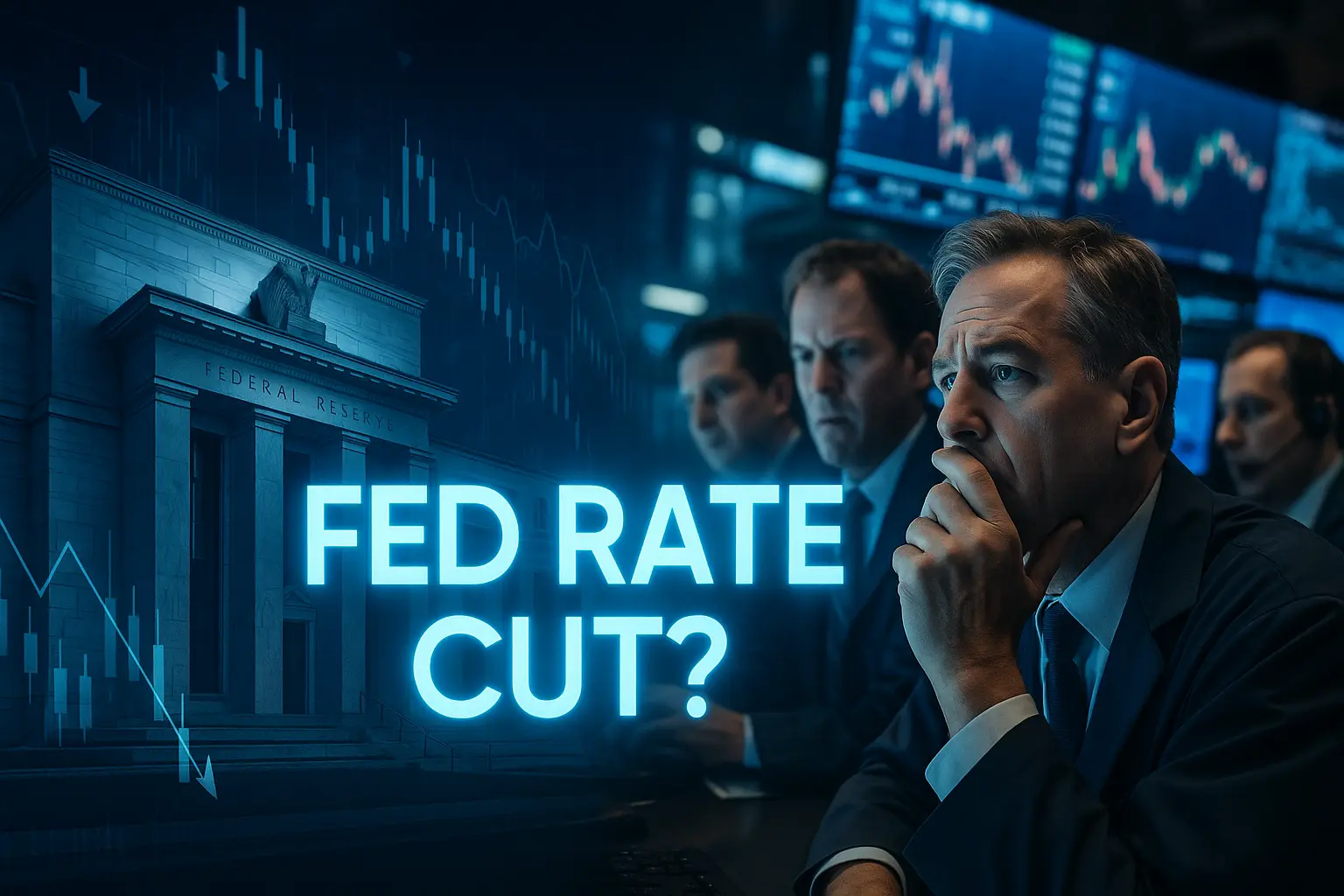
After weeks of uncertainty over whether the Federal Reserve will cut interest rates for the third time this year, the growing consensus is that the central bank is likely to move forward with a 25-basis-point cut on Wednesday — even if officials aren’t fully aligned.
“This is a hard call,” said Alan Blinder, former Fed vice chair and Princeton economics professor. “I do think it’s more likely they cut than not… It wouldn’t surprise me if this is a ‘hawkish cut.’”
In other words, the Fed could trim rates while warning investors not to assume more cuts are coming anytime soon. Blinder added that dissent is almost guaranteed this round, with members on both sides of the debate.
Luke Tilley, chief economist at Wilmington Trust, also expects a rate cut on Wednesday. He predicts Fed Chair Jerome Powell will approach the move the same way he did last time — by emphasizing divisions within the committee and urging markets not to bank on an extended cutting cycle.
Fed Officials Split Ahead of the Meeting
Several Fed officials have recently argued that cutting now isn’t necessary, pointing to inflation that still sits a full percentage point above the Fed’s 2% target. Among them: Boston Fed President Susan Collins and Kansas City Fed President Jeff Schmid.
Chicago Fed President Austan Goolsbee has also expressed concern about “front-loading” too many cuts, given lingering price pressures.
But New York Fed President John Williams — the vice chair of the Federal Open Market Committee and one of the most influential voices inside the Fed — strongly signaled support for a cut a few weeks ago.
“I still see room for a further adjustment in the near term… to move the stance of policy closer to the range of neutral,” Williams said on Nov. 21.
To Fed watchers, that comment shifted the odds dramatically.
“The vice chair… usually doesn’t strongly signal that much unless he has the Fed chair’s endorsement,” said Loretta Mester, former Cleveland Fed president. “So my view is they’re going ahead with another 25-basis-point cut in December.”
While Mester doesn’t think a cut is necessarily wrong, she wouldn’t support it now and prefers waiting until early next year to reassess.
“I don’t really see a compelling case to cut this time, other than it was in the September projections,” she said. “It feels more expedient than economically necessary.”
Blinder echoed concerns that another rate cut could make the inflation fight harder.
“We may be at risk of unleashing persistent inflation if the Fed keeps cutting,” he warned. “The question is whether we’re there right now… I think we may be.”
What the Data (Finally) Shows
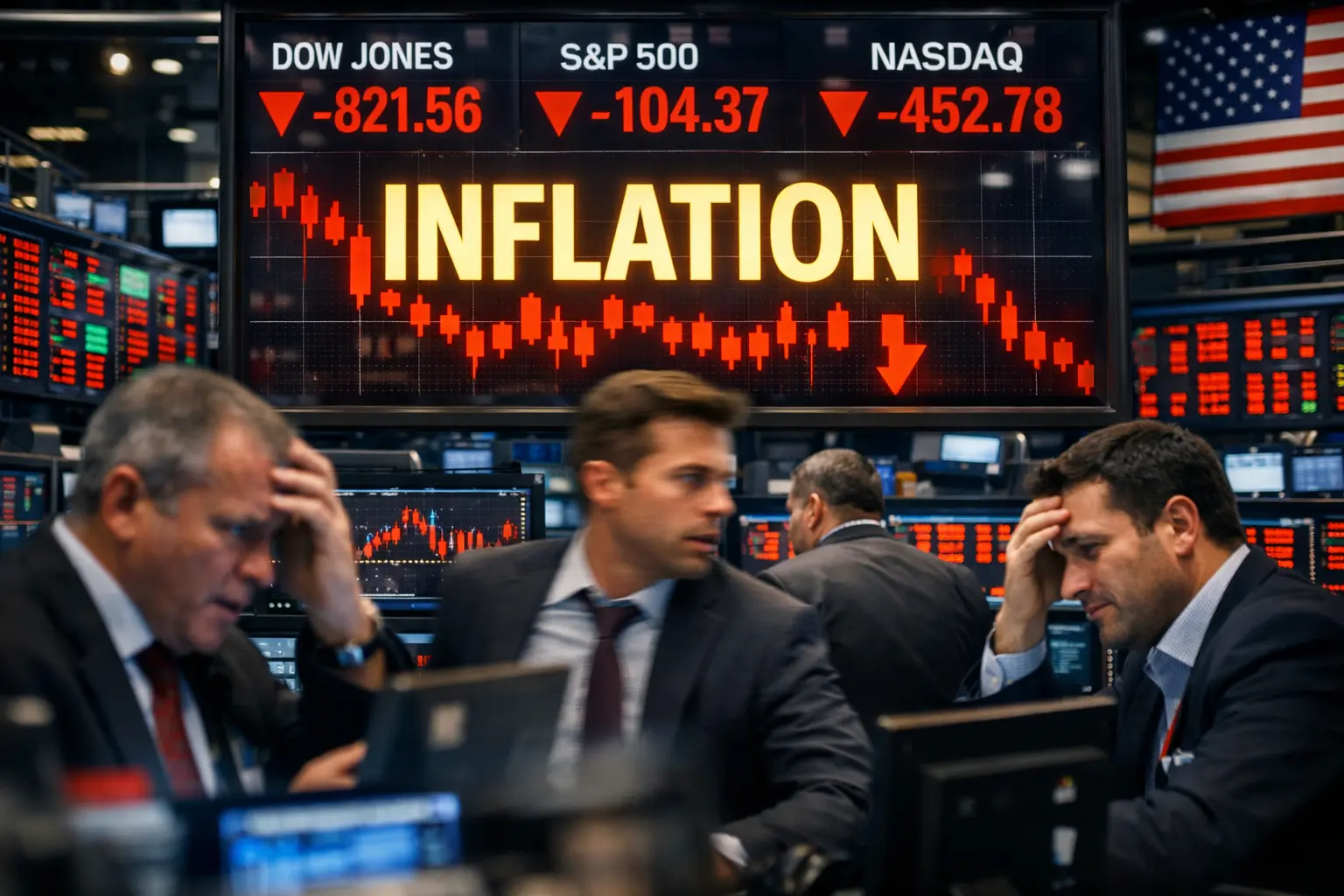
The government shutdown — which stretched through October and into November — delayed key economic data. The Fed’s preferred inflation gauge, core PCE, was released two months late. It showed a 2.8% annual increase in September, down slightly from August. Fed officials still expect inflation to finish the year at 3.1%.
Meanwhile, a stronger-than-expected September jobs report showed payrolls rising by 119,000 jobs, reversing a 4,000 loss in August. The labor market’s month-to-month swings have been unusually sharp: negative in June, up in July, negative again in August, and up in September.
The Fed’s Beige Book offered a more up-to-date snapshot for early November: layoffs increasing, hiring freezes spreading, and workers’ hours being cut. Several companies also noted that AI has replaced some entry-level roles or boosted productivity enough to reduce new hiring.
The Fed will get more real-time data the week after this meeting — but not in time for Wednesday’s decision.
Eyes on 2026: What Comes Next?
This week, investors will be glued to Powell’s press conference and the Fed’s updated quarterly forecasts, which for the first time will include projections for 2026.
“I’m hoping he’ll lay out a narrative on how they’re thinking about the economy,” Mester said.
She remains cautious about additional cuts, arguing inflation isn’t just about tariffs but also service-sector prices. She also believes some labor-market weakness stems from long-term demographic changes — like shifts in immigration — that rate cuts won’t fix.
“You have this stasis in the labor market,” she said. “I’m not sure cutting rates really helps that.”
Wilmington Trust’s Tilley disagrees. He expects three more rate cuts at the next three meetings, citing a weakening job market that he believes will only get worse.
He estimates that 154,000 government workers who accepted buyouts in October could push November’s unemployment rate close to 4.5%. Outside of healthcare, he noted, private-sector job growth has turned negative.
“New workers are entering the labor force who can’t find jobs,” Tilley said. “It all adds up to a very weak labor market.”
Bank of America senior economist Aditya Bhave projects two more rate cuts next June and July — not because the economy will require them, but because the Fed will have a new chair by then. That would bring rates down to 3.0%–3.25%.
“Our view is that additional cuts next year will come from the leadership change, not the economic outlook,” Bhave said. “If the Fed cuts next week, it risks moving into accommodative territory just as fiscal stimulus ramps up.”
Accenture’s global managing director, Amir Bagherpour, expects the Fed to cut one or two more times next year after this week’s cut, assuming:
- Core PCE inflation: 2.5%–2.7%
- GDP growth: 1.5%–1.8%
- Unemployment: 4.4%–4.6% by year-end
- Monthly job growth: 75,000–125,000
The Fed will release fresh projections for inflation, GDP, and unemployment on Wednesday.