Key Points
- The Federal Reserve cut its key interest rate on Wednesday in a 9-3 split vote, highlighting deep divisions inside the central bank.
- The Fed’s latest “dot plot” shows only one more cut in 2026 and one in 2027, with members sharply disagreeing on the path forward.
- The Fed also announced it will resume buying Treasury securities, starting with $40 billion in T-bills on Friday.
A divided Federal Reserve delivered the widely expected “hawkish cut” on Wednesday, lowering its key overnight borrowing rate by a quarter percentage point to a new range of 3.5% to 3.75%. But the move came with a clear warning: future cuts won’t come easily.
The vote revealed unusually strong internal disagreement — three members opposed the decision, a level of dissent the Fed hadn’t seen since September 2019.
Governor Stephen Miran pushed for a larger half-point cut, while Kansas City Fed President Jeffrey Schmid and Chicago Fed President Austan Goolsbee wanted to hold rates steady. In Fed-speak, hawks generally prioritize fighting inflation with higher rates, while doves push for lower rates to support jobs.
This marks Miran’s third straight dissent, and he is set to leave the Fed in January. Schmid also dissented for the second consecutive meeting.
Familiar Warning Language Returns
The Fed’s post-meeting statement revived language from December 2024, signaling uncertainty about when — or if — more cuts are coming.
The committee said it will “carefully assess incoming data, the evolving outlook, and the balance of risks” before making additional adjustments. The last time this wording appeared, the Fed paused rate cuts for nine months.
At his press conference, Fed Chair Jerome Powell emphasized patience:
“We are well positioned to wait and see how the economy evolves.”
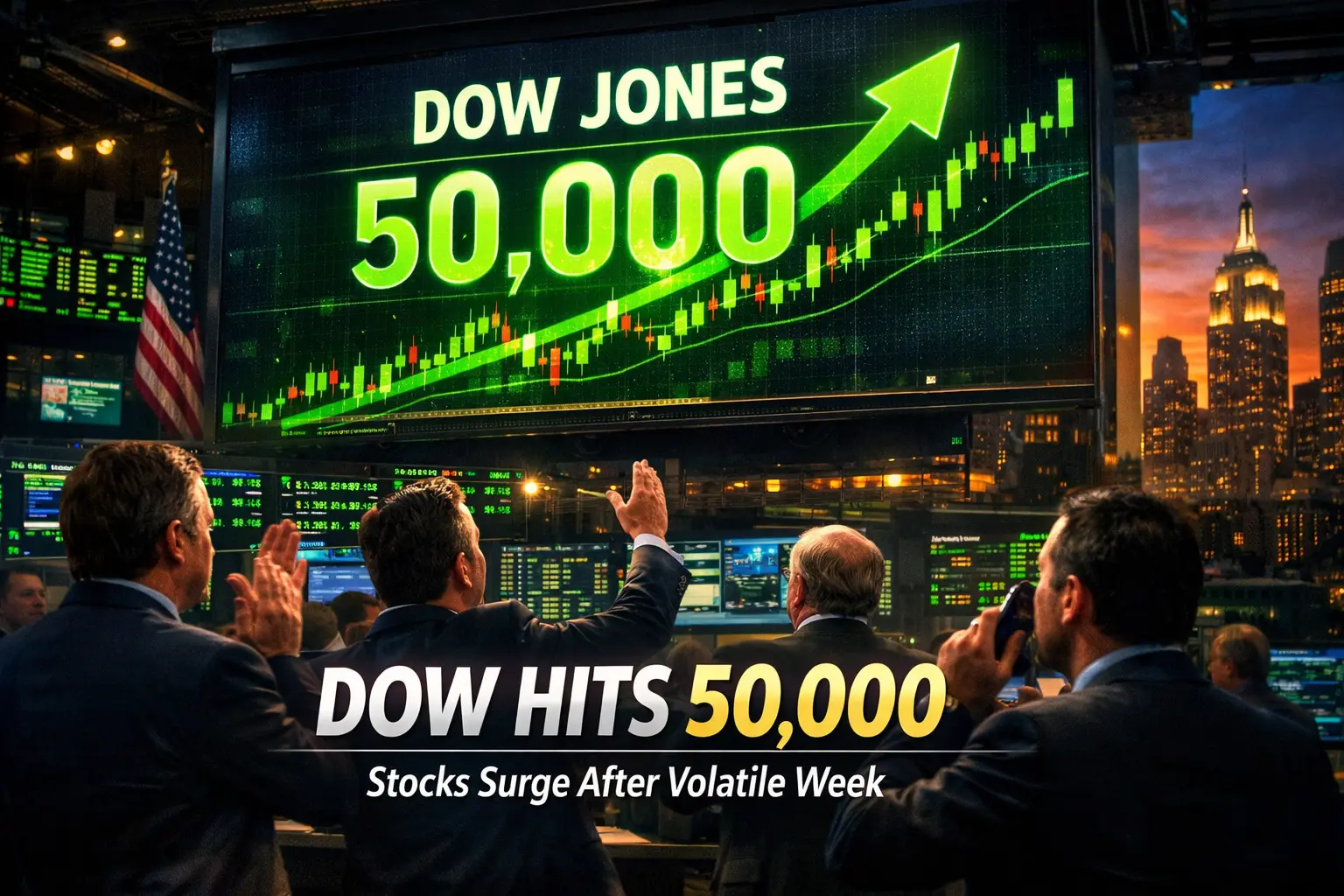
Markets welcomed the move. The Dow jumped 500 points, and Treasury yields mostly declined.
Powell added that rates now sit at the high end of neutral, meaning policy is neither clearly restrictive nor supportive.
Where Does the Fed Go Next?
The new dot plot — the Fed’s internal forecast — shows only:
- One cut in 2026
- One more in 2027
before settling at a long-run rate near 3%.
While unchanged from September, the projections reveal real tension inside the Fed. Beyond the three voting dissents, four nonvoting members expressed “soft dissents,” and seven officials want no cuts at all next year.
Powell described the internal debates as robust but respectful:
“You just have people who have strong views, and we come together and we reach a place where we can make a decision.”
Economic Projections: Stronger Growth, Stubborn Inflation
The Fed upgraded its 2026 GDP growth forecast to 2.3%, half a percentage point higher than its September estimate. But inflation is still projected to stay above 2% until 2028.
The Fed’s preferred inflation measure was running at 2.8% annually as of September — down from previous peaks but still far from the target.
Fed Brings Back Treasury Purchases
Alongside the rate cut, the Fed announced it will resume buying Treasury securities, reversing its balance-sheet runoff starting this month. The move follows concerns about stress in overnight funding markets.
The Fed will begin with $40 billion in T-bill purchases on Friday, with elevated buying expected for a few months before tapering off significantly.
Powell’s Term Nears Its End — and Politics Loom Large
Powell is now just three meetings away from the end of his second term. President Donald Trump has made clear he will pick a successor who favors lower interest rates, rather than someone focused strictly on the Fed’s traditional dual mandate.
Prediction markets see Kevin Hassett, director of the National Economic Council, as the leading candidate with 72% odds, followed by former Fed Governor Kevin Warsh and current Governor Christopher Waller.
Data Gaps and a Cooling Labor Market
A six-week government shutdown that ended Nov. 12 left the Fed missing large chunks of key data. What numbers officials do have point to a “low-hire, low-fire” job market with employers hesitant to hire or fire.
But private-sector indicators show trouble brewing: announced layoffs exceeded 1.1 million through November, according to Challenger, Gray & Christmas.