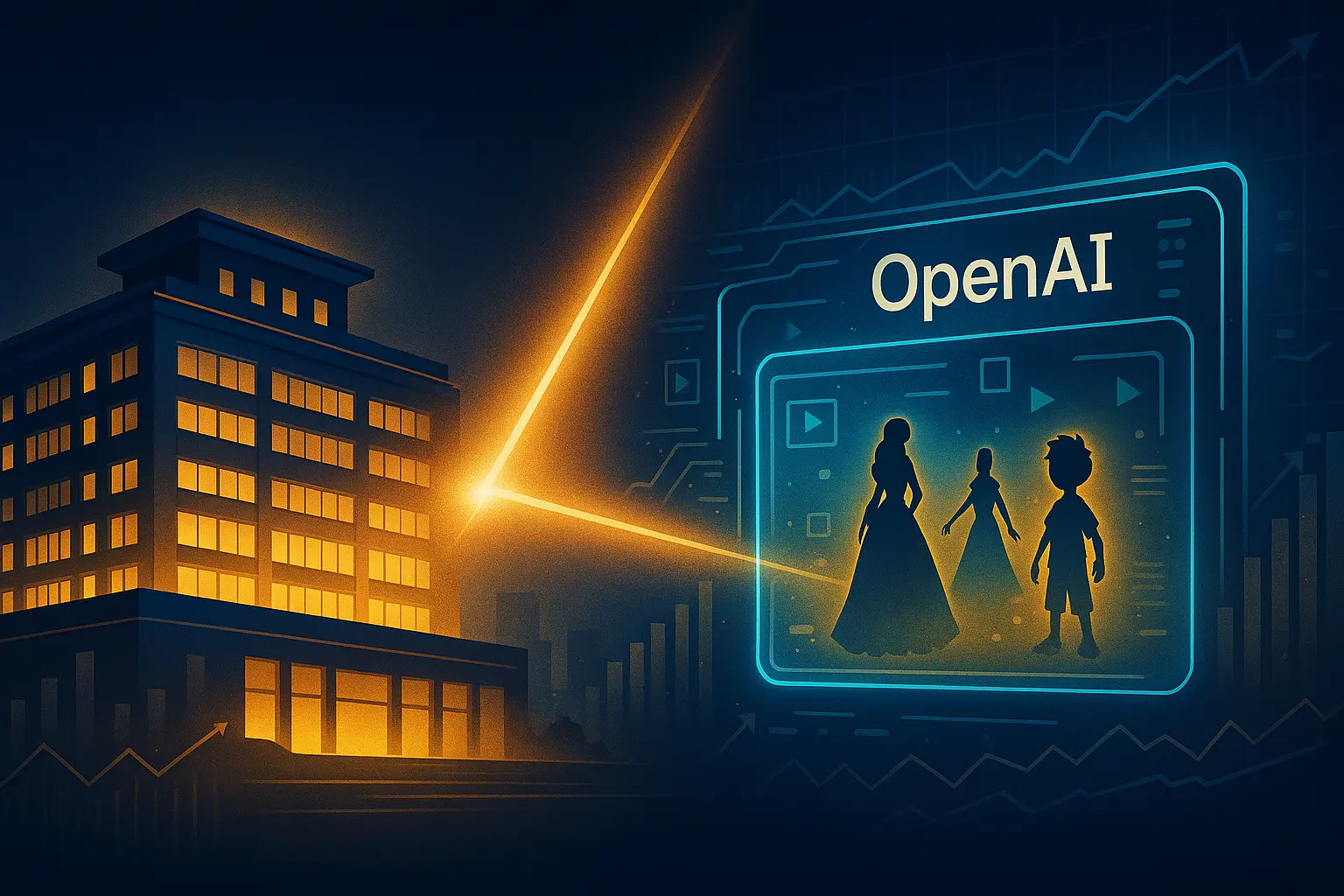
Disney has invested $1 billion in OpenAI and secured a three-year licensing agreement to use its iconic characters on OpenAI’s Sora video generator – a significant development for both the entertainment and tech industries. Under this agreement, over 200 characters from DSNEY brands like Marvel, Pixar, and Star Wars will be available on Sora, and select user-generated clips could even be curated and featured on Disney+.
Disney+OpenAI Sora — What This Means
In simpler terms, Sora will now allow users to incorporate popular DSNEY characters into their short video stories or social media clips, provided they adhere to the licensing terms. OpenAI and DSNEY have stated that the agreement is a major step towards setting new standards for the use of AI-generated content, and Disney also plans to integrate OpenAI’s APIs and ChatGPT for internal use and product development.
What does this mean – creatively and financially? First, the content creation landscape could change rapidly: smaller creators and marketing teams will be able to produce high-quality, brand-licensed short videos much faster. The controlled integration of Disney’s IP into Sora opens up avenues for massive fan engagement and new revenue models (such as showcasing curated fan videos on Disney+). Such a shift also directly impacts the market – hence, investors and observers are watching “Disney stock” closely in light of the potential long-term benefits and risks of this partnership.
Market sentiment and “Disney stock” – the immediate impact often depends on the news. Reports indicate a slight uptick in Disney shares in pre-market trading following the announcement; investors are trying to gauge whether this investment will boost Disney’s digital and AI-based revenue streams and support the company’s valuation. Therefore, short-term volatility in “Disney stock” is likely, while in the long term, this deal could significantly enhance Disney’s storytelling and digital distribution capabilities.
The concerns being raised are also valid. Hollywood agencies and rights holders have already warned about the impact of technologies like Sora — IP holders, artists, and agents are seeking to ensure that voices, actor likenesses, and creators’ rights are protected. OpenAI has expressed intentions to provide controls and granular controls for rights holders, but practical implementation steps and regulatory frameworks will require careful monitoring. These questions could also impact the perception of “Disney stock.”
Strategically, this agreement for Disney is more than just an investment; it’s a digital extension of its storytelling — a step towards delivering more personalized experiences across theme parks, gaming, merchandise, and streaming, all powered by AI. If DSNEY adopts these tools carefully and builds transparent partnerships with creators, it could unlock new audiences and revenue models for the company, which is why investors are watching “Disney stock” closely.
In conclusion, this agreement is a significant example of the integration of AI into the entertainment industry. It will make it easier for users to create new types of brand-licensed short-form video stories; for companies, it will open up new product and monetization opportunities; while addressing the questions of rights and regulations will be the biggest challenge. Those watching “Disney stock” should consider the long-term strategy, cash flow implications, and IP protection measures — as these factors will ultimately influence investment decisions.