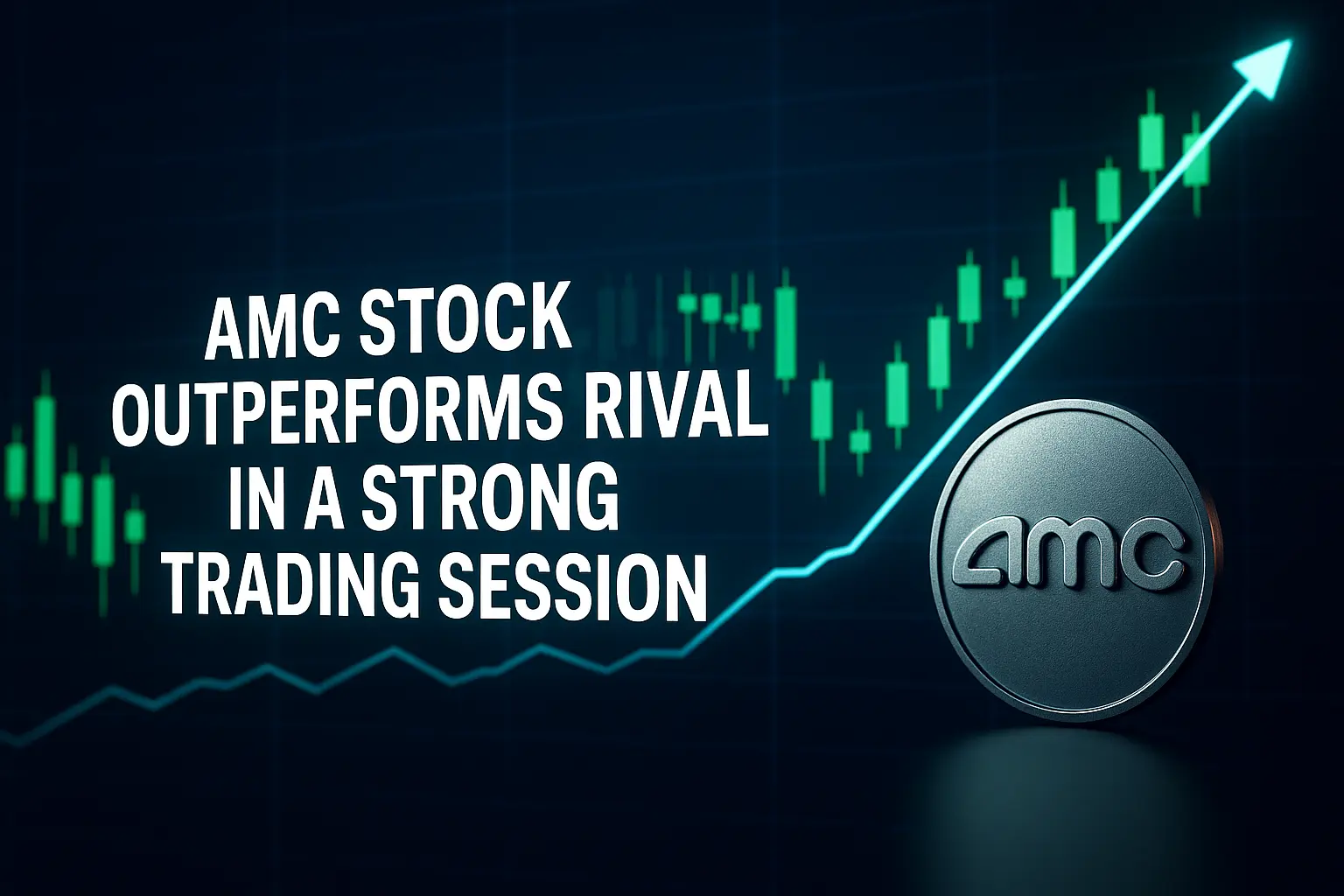
AMC shares outperformed some of its key competitors in today’s trading session. The general market sentiment remained somewhat positive, and the entertainment sector showed signs of a mild recovery, but AMC’s strength was primarily due to company-specific factors and investor sentiment. The purpose of this article is clear: to explain to the reader why this move occurred, what risks remain, and what to expect next.
First, companies like AMC are often influenced by two factors simultaneously—industry-level trends and company-level news. This time, it appears that recent box office reports and a schedule of major film releases have eased theater visits, offering hope for movie theater revenue. Additionally, retail investor activity and positive social media signals kept AMC’s trading volume high, driving the stock higher compared to other theater stocks.
On the flip side, investors often trade on likability and sentiment—especially in popular stocks like AMC, which often feature in meme stock discussions. When positive news emerges—such as improved channel partnerships, a new financial strategy, or a major release with strong ticket sales—retail investors react quickly. This behavior was evident this time around, and AMC’s performance was stronger than its competition.
From a fundamental perspective, two key factors remain important for theater chain companies: debt position and cash flow. A.M.C has recently made efforts to improve its liquidity and control expenses—premium screenings in different markets, creating new income streams through food-on-premises, and focusing on corporate partnerships. These efforts should gradually show results; however, debt levels and dependence on regular box office remain routine risks for the company. Therefore, any investor interested in A.M.C must understand that short-term movements and long-term value are two different things.
In terms of competitors, some theater operators saw modest growth, while others showed stability—meaning AMC’s outperformance could be both a sign of an overall industry recovery and the result of company-specific events. It’s important to note that pressure from streaming services and content release schedules remains a crucial factor in the industry. If major studios maintain strong release schedules, movie theaters will benefit; otherwise, pressure may persist.
The risks that are currently apparent include high volatility, potential equity dilution (if the company raises capital), and debt management challenges. Therefore, investors should note that short-term setbacks are common in companies like AMC, and the company’s financial solidity and box office trends will remain paramount over the long term.
AMC Investor Checklist – Quick Guide
Finally, if you’re a US-based investor interested in AMC, it’s wise to look at three things: (1) recent box-office reports and a calendar of upcoming major films, (2) updates on the company’s debt and cash position, and (3) market sentiment—particularly retail investors and social media trends. These three factors will help determine whether today’s outperformance is temporary or could become a long-term trend.
Hour Loop Stock Soars 93% in a Day – Is This the Next Meme Rally?
Overall, AMC’s outperformance today was the result of investors and trends betting on a theater recovery and positive sentiment at the moment. However, it’s important to consider the underlying financial fundamentals and stable industry indicators before making long-term decisions—only then will you be able to prudently manage both risks and opportunities.