President Donald Trump is counting on larger tax refunds this spring to convince Americans that real economic relief has arrived — and to give Republicans a boost heading into November. But some economists and political strategists warn that the impact may not last long.
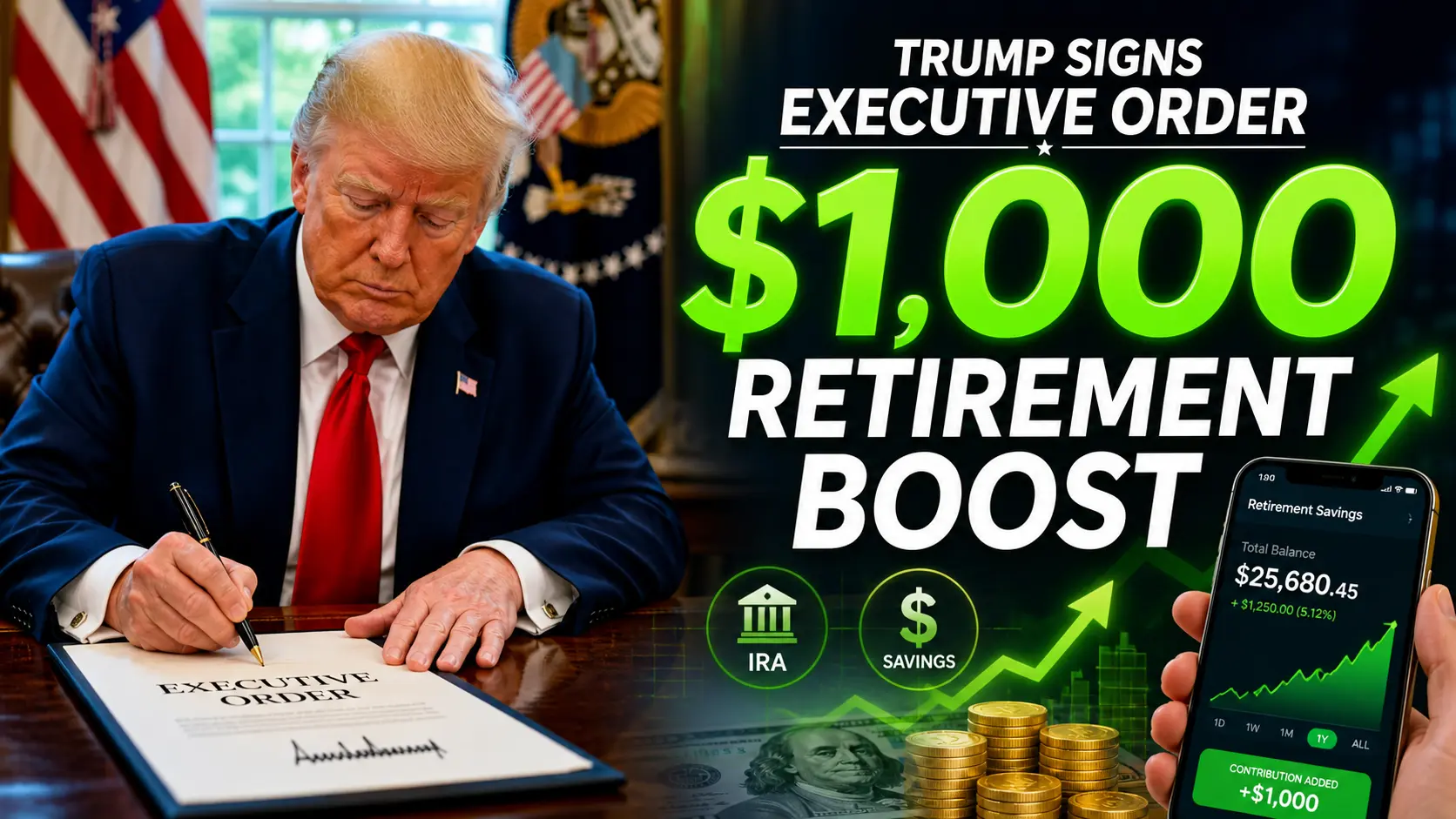
The White House estimates the average tax refund could rise by about $1,000 this year, thanks to tax cuts included in the GOP’s major legislation passed last summer. Still, as tax season begins, even some Republican allies say the financial lift many households feel now could fade before voters head to the polls.
Trump and his top advisers have promoted the refunds as proof that Americans would finally feel the economy improving in their own wallets. But critics caution that the extra cash could quickly disappear as households continue to face stubbornly high costs.
“The sugar high will be short-lived if [the refunds] go toward paying higher health care, insurance, electricity, and heating costs,” said Diane Swonk, chief economist at KPMG U.S. “Prices are still out of line, and it takes a long time to catch up.”
Even supporters acknowledge that in today’s fast-moving news cycle, voters may forget about the refunds by election time. So far this year, Trump has struggled to keep public attention focused on affordability, as major headlines — from talk of a possible Greenland invasion to immigration disputes in Minnesota — have overshadowed his economic messaging.
“Any employer will tell you when they give employees a bonus, it creates goodwill for a little while, but six months later it’s forgotten,” said GOP strategist Alex Conant. “Voters won’t remember unless the president and candidates keep reminding them.”
The situation highlights the risk the White House is taking as it tries to connect strong economic indicators — such as solid growth and record stock market highs — with everyday financial realities for Americans.
That’s why Trump, Treasury Secretary Scott Bessent, and other Republicans continue emphasizing the refunds.
“Prosperity means more money in people’s pockets,” Senate Majority Leader John Thune said during an Oval Office appearance this week. “People notice it when they fill up their gas tank, and they’ll notice it again when their tax returns this year are at least a thousand dollars higher than before.”
White House officials say the refund checks are only one part of a broader economic agenda. That plan includes $1,000 “Trump Accounts” for newborns, eliminating taxes on tips, overtime, and Social Security, along with business-friendly policies like full equipment expensing and widespread deregulation.
“The impact of President Trump’s historic tax cuts goes beyond a one-time refund,” said White House spokesperson Kush Desai. “More money in consumers’ pockets and stronger investment will drive faster job growth, higher wages, and a stronger economy.”
The massive law was designed to deliver its most noticeable benefits before the midterm elections, reflecting lessons from Trump’s 2017 tax cuts.
Back then, the IRS quickly adjusted withholding tables, giving Americans slightly larger paychecks throughout the year. The goal was to boost spending before the midterms, but many voters didn’t fully notice the benefits in time.
This time, the tax cuts were made retroactive to early 2015, and withholding tables were not immediately adjusted. As a result, millions of Americans are expected to receive what amounts to a larger lump-sum refund this year, along with higher take-home pay.
The 2017 tax cuts eventually became unpopular, forcing Republicans to shift focus to issues like immigration and health care — and the GOP ultimately lost 41 House seats in the 2018 elections. Even last spring, Bessent warned of political risks if Republicans failed to act quickly on Trump’s tax agenda.
However, the administration now faces a challenge it didn’t encounter during Trump’s first term: persistent cost-of-living pressures shaping how voters view the economy. Economists say while Trump didn’t create the problem, he also hasn’t solved it — meaning the larger refunds could be quickly absorbed by rising costs for housing, food, and other essentials.
Bigger refunds can also increase consumer spending, potentially slowing progress in reducing inflation — an issue that has weighed on Trump’s approval ratings. Financial strain has also been intensified by an unusually cold winter, pushing up heating and electricity bills, along with higher health insurance costs.
The White House has promoted this spring as “the largest tax refund season in U.S. history,” with Bessent estimating that between $100 billion and $150 billion will be returned to households.
A recent analysis from BofA Global Research projects refunds in 2026 could be $65 billion higher than in 2025, when Americans received $93.5 billion back, with most payments issued between February and April.
Still, not everyone will benefit equally. A study by the nonpartisan Tax Foundation suggests relatively few low-income filers will receive refunds. While some may gain from policies like eliminating taxes on tipped income or expanding the child tax credit, those most affected by affordability challenges are among the least likely to receive a check.
Many tax cuts in the law also target specific groups. Workers who don’t earn tips or overtime — and who aren’t seniors — may mainly benefit from a larger standard deduction, which could be smaller than headline figures suggest, said Erica York, vice president of federal tax policy at the Tax Foundation.
“People could be surprised in a bad way if they expect a $1,000 bigger refund and it doesn’t happen,” York said.
Despite efforts to improve the strategy this time, political analysts say one-time payments rarely change how voters feel about the economy on their own. Even the much larger stimulus checks during the COVID-19 pandemic only provided temporary boosts in consumer confidence.
GOP strategist Doug Heye, who witnessed similar approaches during the George W. Bush administration, said the White House may be overestimating how much refunds can shift public opinion.
“It addresses voters’ concerns,” Heye said, “but mostly treats the symptom, not the underlying problem.”